Artist Statement
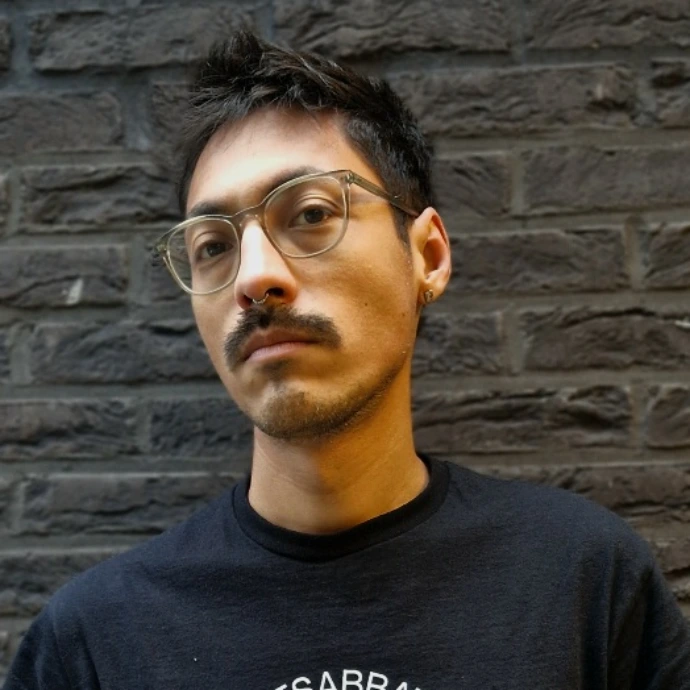
Manny Manster
My practice is an exploration of belonging, within the spaces between my lived experience as a queer, immigrant artist and the collective memories of my communities. I work across textiles, performance, writing, and drawing—each medium a different dialect in a shared language of tenacity and resilience.
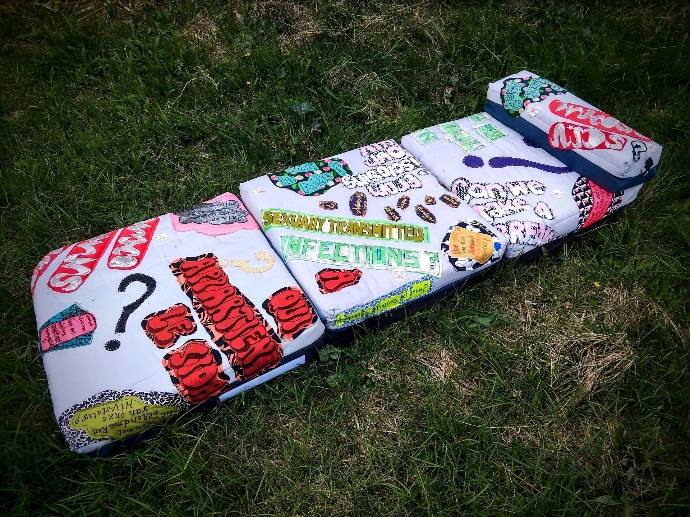
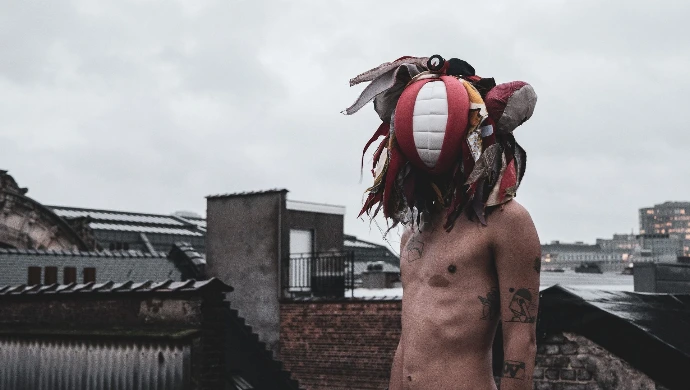
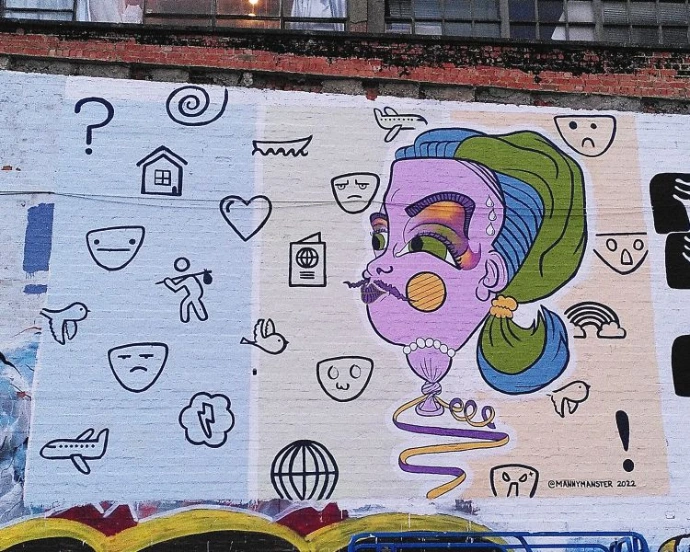
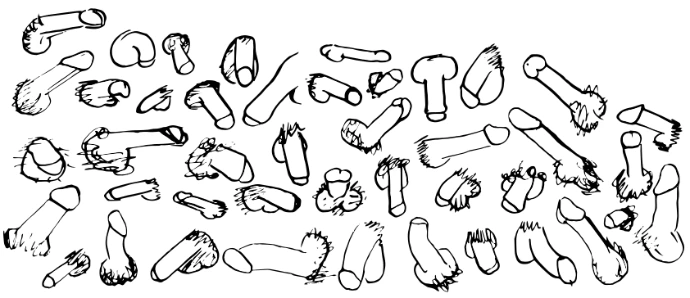
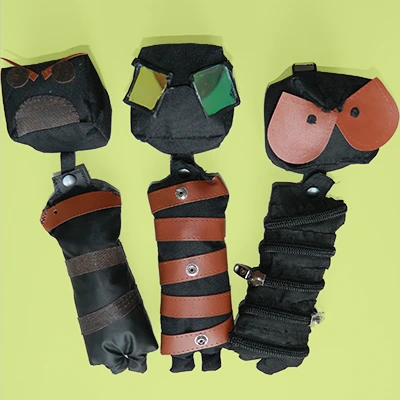
My process is one of deliberate, textured unfinishedness. Sculptural objects, imbued with a vibrant yet domestic “gay flair,” function as anchors for memory. On paper, my illustrations and drawings capture the same urban chaos and whimsy that inspires me, using boisterous layered forms and a refined, desaturated, color palette to echo the complexity of community life. This visual foundation feeds my speculative writing, where characters navigate worlds shaped by the same forces of sexuality, racism, and immigration that I explore in my visual art.
Ultimately, every stitch, written word, and drawn line serves a singular purpose: to create functional opportunities for connection. My work is not an end point, but a conversation starter—a vehicle to bring people together to discuss the vital social systems that shape our health, our homes, and our shared future.
The most powerful art emerges when the process itself is a form of belonging, especially when working with other QTBIPOC and PLWHIV.
A love poem to calico fabric
(unbleached cotton)
Unfinished, unprocessed
husky, musky, yellow-tinged and light
your very existence captures the essence of armour
heavy, plain-woven, unbleached, and coarse
soft and jagged edges you achieve and endorse
historically woven by cāliyan hands
the undone remnants of garments reclaimed
a new purpose in processed pieces remains
oh calico, as unfinished and unprocessed as you may exist
you are refined, versatile, adjustable and are bright
from flat-rolled to form-built and back
you are now, once again flattened, but with character and brack.
Emmanuel 2024
Click on any image below for more info on a specific project
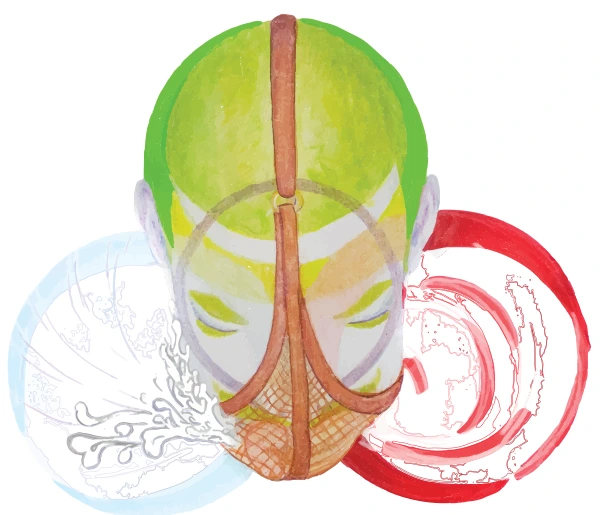
S.H.A.R.E
is a novel I am writing while distilling artistic devices from the narrative and conducting community based arts research on belonging and how it intersects with racism, homophobia and serophobia.
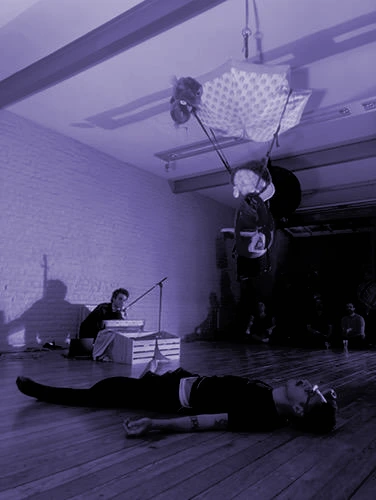
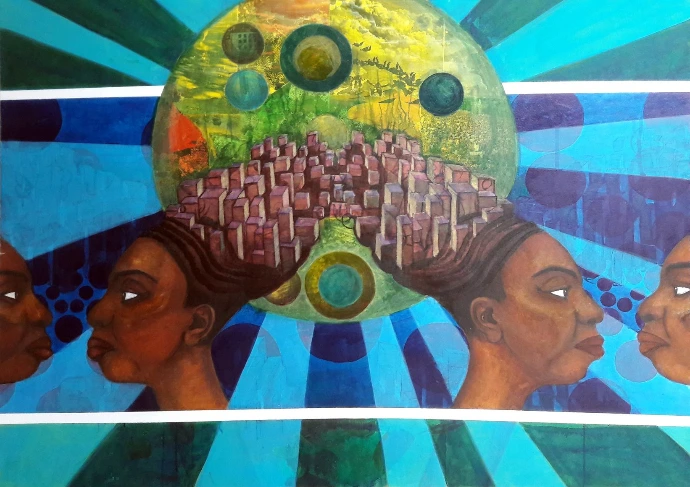
Brown Cats
is the name given to a group of brown queer artists that meets at least once a month with the sole purpose of sharing space together.